

.png)
Recently we worked with a leadership team that had everything going for it. Sharp people, strong track records, no weak links on paper. And yet meetings dragged. Decisions crawled. Trust was thin on the ground. Nobody could say why.
Sound familiar?
The instinct is to look for someone to blame, or restructure the org chart. But that's rarely where the problem lives. The problem lives in what's missing between people, not in the people themselves.
“The problem lives in what's missing between people, not in the people themselves.”
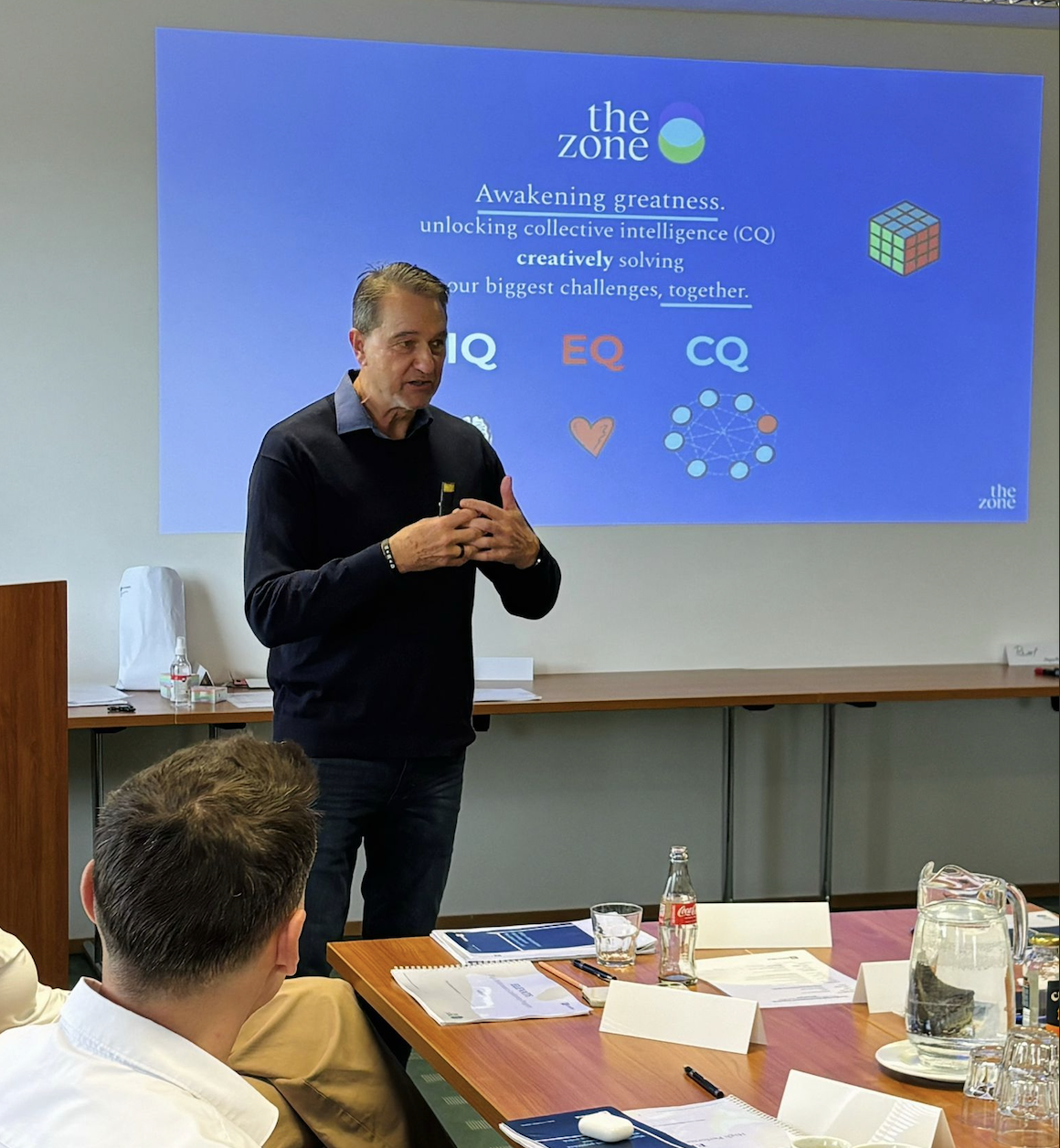
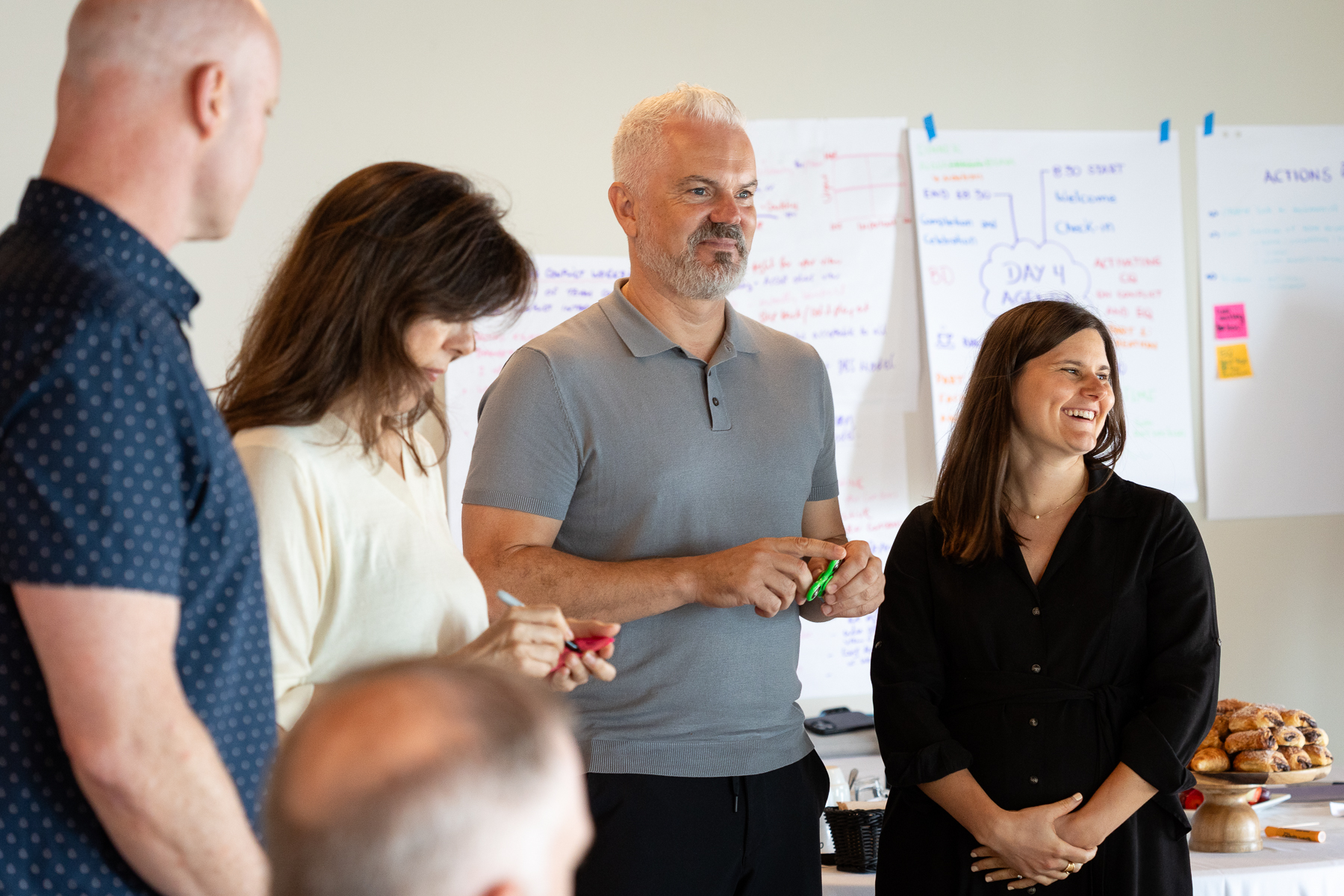
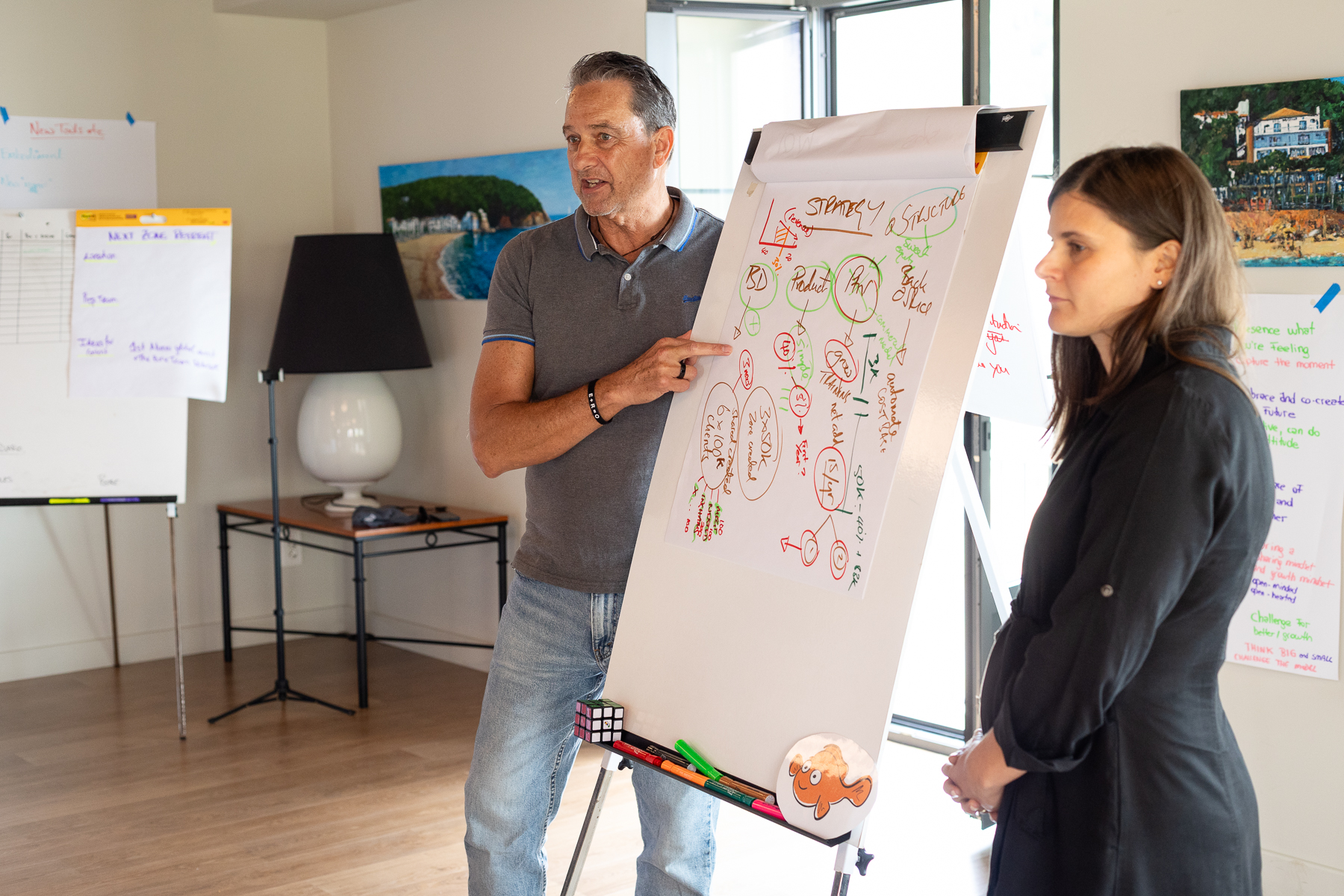
We ran the team through a The Zone & E-Colors Team Session. The pattern showed up fast - heavy red, heavy green, almost no yellow, almost no blue. Green is data. Red is action. Both useful. Both necessary. But without yellow (talking it through) and blue (actually caring how people are doing), a team can grind out results and still never learn to work together.
Here's the kicker. This team led 1,000 people who were, by every indication, far more yellow and blue than they were. A staff survey backed it up: weak internal communication, and people who didn't feel cared for. Two gaps. Same two colours missing.
The team hadn't just misjudged each other. They'd misjudged the organisation underneath them.
We see this pattern constantly, in different shapes.
- A leadership team that's all task and no talk.
- A team that debates everything and executes nothing.
- A team so nice to each other that nobody says the hard thing
Balanced on paper, broken in the room
None of it means the wrong people are in the room. It usually means nobody has the language to see what's missing, or the safety to name it.
Because here's the thing about misunderstanding. Someone asking for the data isn't being obstructive. Someone pushing to just decide isn't being reckless. But without a shared way to understand why people operate differently, those moves get read as character flaws. Frustration turns into assumption. Assumption turns into distrust. And now you've got drama, or worse, quiet checked-out politeness, which is its own kind of drama.
“Someone asking for the data isn't being obstructive. Someone pushing to just decide isn't being reckless.”
If you're the leader in this story, you know the feeling. Results are underwhelming. Something's off. You've hired well, set clear goals, and it's still not clicking. That's often because the gap isn't visible from inside the team. It only shows up once you can see the whole shape of the group at once.
“If you're the leader in this story, you know the feeling. Results are underwhelming. Something's off. You've hired well, set clear goals, and it's still not clicking.”
What actually changes
Nobody in this story got replaced. Nobody had to become a different person. They just had to see their own pattern, own what it was costing them, and grow into the colours they'd been avoiding, without losing what made them good in the first place.
That's what The Zone & E-Colors Team Session actually does. Not a personality test you file away. A shared language for why you clash, where the gaps are, and what to do about them.
If your team looks fine on paper and still doesn't feel right in the room, that's not a mystery.
It's a pattern. And patterns can be named.
This could help you if you're experiencing...
- A team that looks strong on paper but still doesn't click
- The same friction, over and over, with no clear cause
- People reading each other as difficult instead of just different
- Trust quietly eroding, but nobody naming it
- Feeling stumped on why a good team isn't gelling
- Drama, or politeness that's really avoidance
- A senior team drifting from the people it leads…
Let’s get you and your team sorted > Chat to us
Next Post
.png)






























.jpeg)


.png)


Let's work together
Our diverse global team can help you reimagine the future of your teams, leaders and organization. Get in touch.
Book your free 15-minute Clarity Call
Identify your key challenges
Explore tailored solution options
Show you how The Zone can accelerate your success
Take the first step toward real progress—schedule your call today.


