

The Leadership Blind Spot: Why Self-Awareness Is the Foundation of Better Decision-Making

What if your biggest leadership blind spot isn't your strategy, your team or your experience?
What if it's you?
Research by organisational psychologist Dr. Tasha Eurich found that while 95% of people believe they are self-aware, only 10–15% actually are. It's a statistic that should make every leader pause.
Because every decision we make is shaped by something we often don't see: ourselves.
Our experiences.
Our beliefs.
Our values.
Our personality.
Our assumptions.
Our biases.
We like to think we're objective, but none of us sees the world exactly as it is. We see it through the lens of who we are.
Every Decision Starts With a Filter
Leadership is often viewed as a series of decisions.
Should we invest?
Should we hire?
Should we challenge this idea?
Should we embrace AI?
Should we have the difficult conversation?
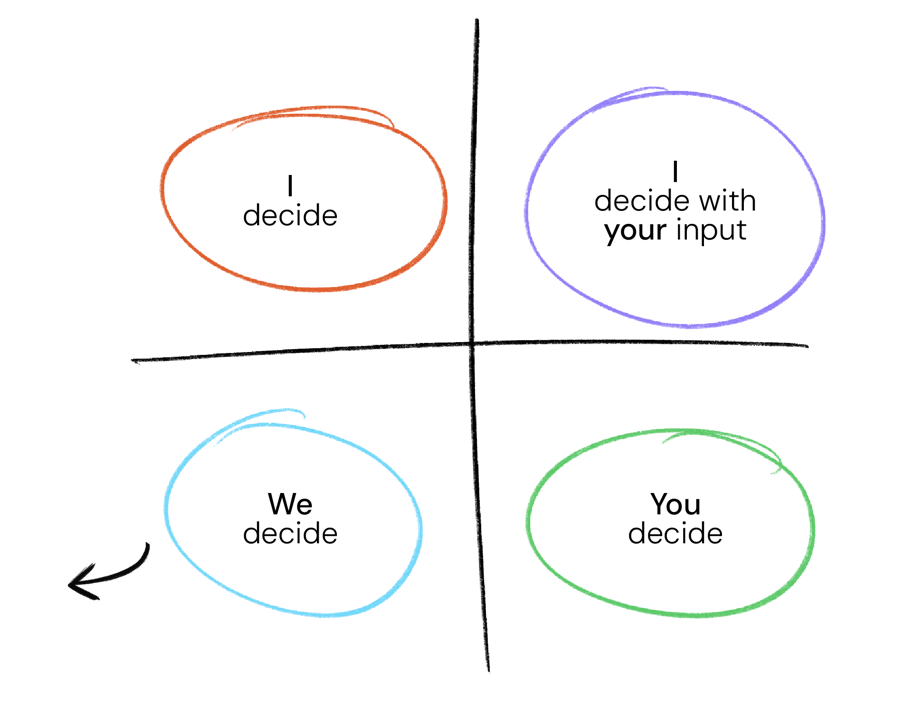
What we rarely consider is that every one of those decisions passes through a set of invisible filters before we even realise we're making a choice.
Some leaders naturally seek certainty before acting.
Some instinctively move quickly.
Some prioritise relationships above all else.
Others focus on logic, structure or long-term outcomes.
None of these approaches are right or wrong.
But they all shape what we notice, what we ignore and what we believe to be the "right" answer.
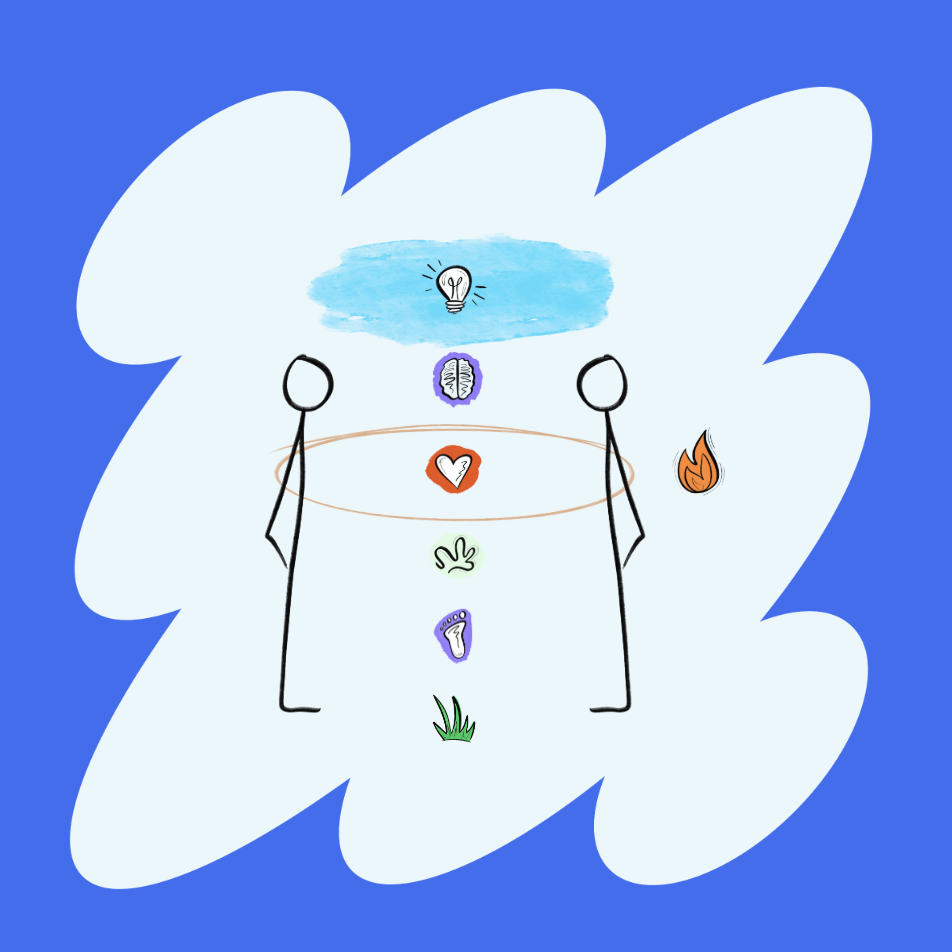
This is why self-leadership begins with self-awareness. Or at The Zone, we call it Whole-Person Leadership. Whole-Person Leadership recognises that leaders don't operate solely through their skills, knowledge, or professional experience.
They lead through their entire human system, and this can affect how they react or respnd, and how they make decisions.
Your Greatest Strength Can Become Your Greatest Blind Spot
The qualities that make you successful can also limit you.
Confidence can become certainty.
Empathy can become avoiding difficult conversations.
Decisiveness can become impatience.
Analysis can become paralysis.
Without awareness, our strengths become habits.
And habits become blind spots.
The best leaders don't eliminate their natural preferences.
They learn when to lean into them and when to challenge them.
AI Is Making Self-Awareness More Important, Not Less
As AI becomes part of everyday work, another challenge emerges.
AI doesn't just provide answers.
It responds to the questions we ask, the assumptions we make and the perspectives we bring.
Just as social media algorithms learn what captures our attention and gradually create an echo chamber of content that reflects our existing beliefs, the way we use AI shapes what it gives back to us.
If we continually prompt AI from the same perspective, we risk reinforcing the same thinking patterns we already have.
The danger isn't AI.
The danger is assuming we're objective when we're not.
The leaders who will gain the greatest advantage from AI won't use it to confirm what they already believe.
They'll use it to challenge their thinking, explore different perspectives and expose assumptions they may not have recognised on their own.
Self-Awareness Creates Better Decisions
Better decision-making isn't about having more information.
It's about understanding the person interpreting the information.
When you understand your natural decision-making default, you begin to recognise the moments where your thinking is helping you and the moments where it may be limiting you.
You become more intentional.
More curious.
More adaptable.
You ask better questions.
You invite different perspectives.
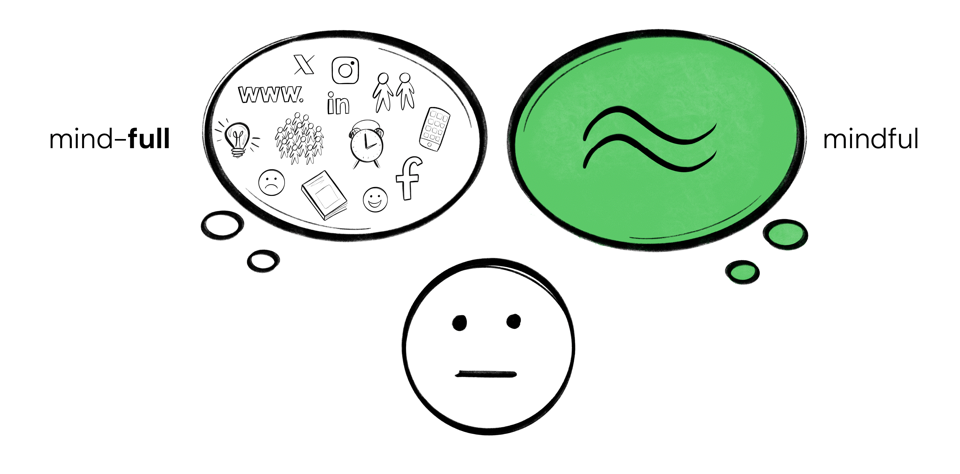
You make decisions with greater clarity because you understand the lens through which you're seeing the world.
That's the essence of self-leadership.
The Future Belongs to Leaders Who Know Themselves
Technology will continue to evolve.
Markets will continue to change.
Leadership will become increasingly complex.
But one thing won't change.
The quality of your leadership will always be shaped by the quality of your self-awareness.
Before we can lead others well, we need to understand ourselves.
Before we can make better decisions, we need to understand how we naturally make them.
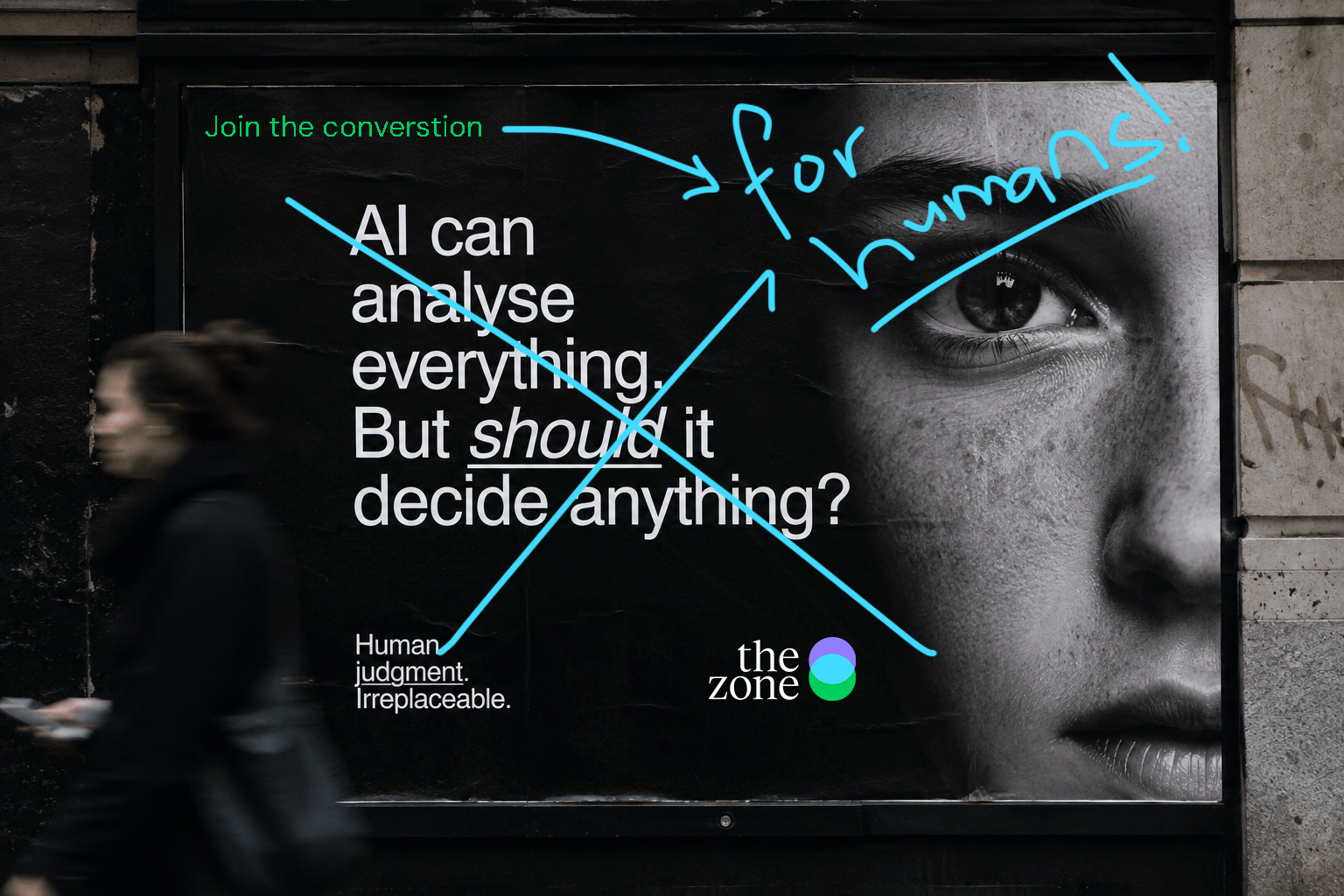
Because the greatest competitive advantage in an AI-enabled world isn't artificial intelligence.
It's human awareness.
Discover Your Decision-Making Default
Every leader has a natural way of processing information, navigating uncertainty and making decisions.
Understanding your decision-making default can help you identify your strengths, uncover potential blind spots and make more intentional choices—whether you're leading a team, navigating change or deciding when AI should support your thinking.
Our Decision-Making Profile, powered by E-Colors, reveals the personality patterns that shape your leadership and the decisions you make every day. Book in your session >
Because better leadership doesn't start with better technology.
It starts with knowing yourself.
Next Post
.png)
.png)






















.jpeg)


.png)


Let's work together
Our diverse global team can help you reimagine the future of your teams, leaders and organization. Get in touch.
Book your free 15-minute Clarity Call
Identify your key challenges
Explore tailored solution options
Show you how The Zone can accelerate your success
Take the first step toward real progress—schedule your call today.


